
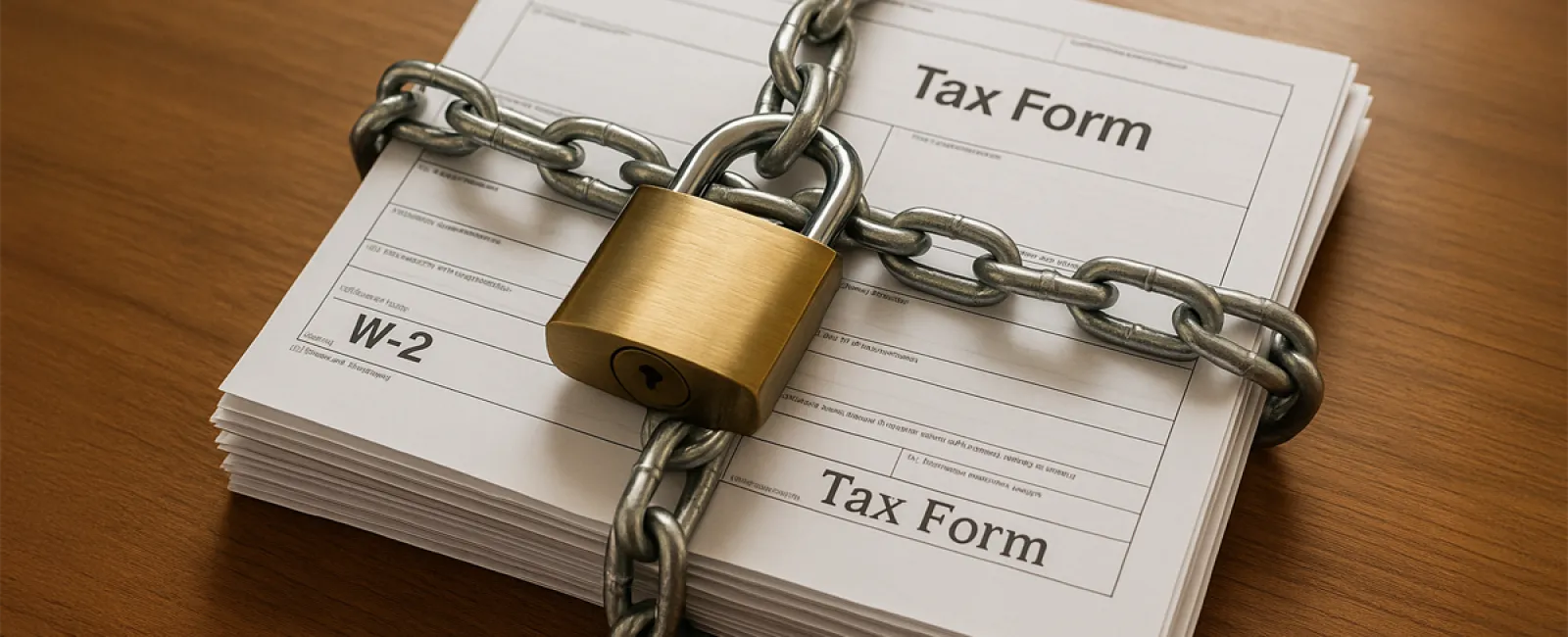
It's February and tax season is in full swing. Your accountant's workload is increasing, and your bookkeeper is gathering vital documents. Everyone is focused on W-2s, 1099s, and looming deadlines.
But here's a hidden challenge that most miss: the earliest tax-season headaches often stem not from forms, but from sophisticated scams.
One particularly deceptive scam targets small businesses early—sometimes even before April—and could already be lurking in someone's inbox.
Understanding the W-2 Scam: What You Need to Know
The scam unfolds like this:
An employee responsible for payroll or HR receives an email appearing to come from the CEO, owner, or a top executive.
The message is brief and urgent:
"I need all employee W-2 copies ASAP for an accountant meeting. Please send them over—I'm tied up today."
The email seems authentic. Given the busy tax season, the urgency feels justified, and the request appears normal.
The employee complies and sends the W-2 forms.
But the email was a sham—sent by a cybercriminal using a forged address or a deceptive look-alike domain.
That criminal now possesses each employee's:
• Full names
• Social Security numbers
• Home addresses
• Salary details
All the information needed for identity theft and to file false tax returns ahead of your team.
What Happens After the Scam?
Here's how victims commonly discover the breach:
An employee files their tax return only to get a rejection notice: "Return already filed for this Social Security number."
Someone else has already fraudulently filed under their identity and claimed the refund.
As a result, the employee faces months of dealing with the IRS, credit monitoring, identity theft protection, and extensive paperwork—all originating from an email they never suspected.
Multiply this risk across your whole payroll and imagine breaking this news to your staff: their personal data has been compromised due to a convincing fake email.
This isn't just a security breach—it's a major trust crisis, an HR disaster, potential legal exposure, and a blow to your reputation.
Why Does This Scam Succeed?
This isn't some obvious scam like a "Nigerian prince" email. Its success hinges on these factors:
The timing is perfect—W-2 information is usually requested in February, so no one suspects the ask.
The request itself is plausible. It's not outrageous like requesting wire transfers or gift cards; it's a common tax season document.
The rushed tone sounds natural: "I'm swamped today, can you send this quickly?" fits the hectic pace.
The sender's identity seems authentic. Attackers research their targets thoroughly, mimicking CEOs or accountants by name to sound legitimate.
Employees naturally want to be helpful, especially to leadership, and urgency often overpowers careful verification.
How to Shield Your Business Before Falling Victim
The good news: you can prevent this scam with smart policies and a culture focused on vigilance more than expensive technology.
Establish a strict rule that W-2s will never be sent via email. No exceptions. Sensitive payroll information should never exit your organization as email attachments. Any email request for this information—no matter who it seems to be from—should be denied.
Always verify sensitive requests using a separate communication channel. Call, meet face-to-face, or use chat—but never reply directly to the original email. Use known contact details you already have, not those included in the suspicious message. This quick step can prevent months of complicated fallout.
Hold a brief, focused tax-season security briefing immediately. Don't wait until later. Train payroll and HR teams to recognize scam signs and know exactly how to respond. Awareness is your cheapest and most powerful defense.
Secure your payroll and HR systems with multi-factor authentication (MFA) on any accounts or platforms that access employee data. If credentials are compromised, MFA serves as a critical barrier.
Foster a culture where verification is encouraged—not treated as suspicion. Praise employees who confirm uncertain requests, especially when checking with executives directly. When caution is rewarded, scams lose their power.
These five straightforward steps are easy to implement this week and strong enough to block the first wave of attacks.
The Broader Tax Season Threat Landscape
The W-2 scam is just the beginning.
From now through April, be vigilant for a surge in tax-related cyber threats such as:
• Phony IRS notices demanding urgent payments
• Phishing emails masquerading as tax software updates
• Fake communications from "accountants" containing dangerous links
• Fraudulent invoices disguised as tax expenses
Tax season offers a perfect cover for criminals because everyone is focused on deadlines and financial transactions.
Successful businesses during tax season aren't lucky—they are prepared.
They enforce clear policies, conduct regular training, and use systems designed to detect suspicious requests before they cause harm.
Is Your Business Prepared?
If you already have safeguards and your team knows the warning signs, you're ahead of many small businesses.
If not, now is the critical moment—not after a scam has struck.
If this sounds like your business, schedule a 15-minute Tax Season Security Check.
We'll assess:
• Payroll and HR system access with MFA
• Your W-2 request verification protocols
• Email defenses against spoofing
• One often-overlooked policy adjustment that strengthens protections
If this doesn't apply to you, wonderful—but you likely know a business owner it does. Share this guide to save them from expensive trouble.
Click here or give us a call at (805) 295-8883 to schedule your free 10-Minute Discovery Call.
Because tax season is challenging enough without adding the burden of identity theft.