
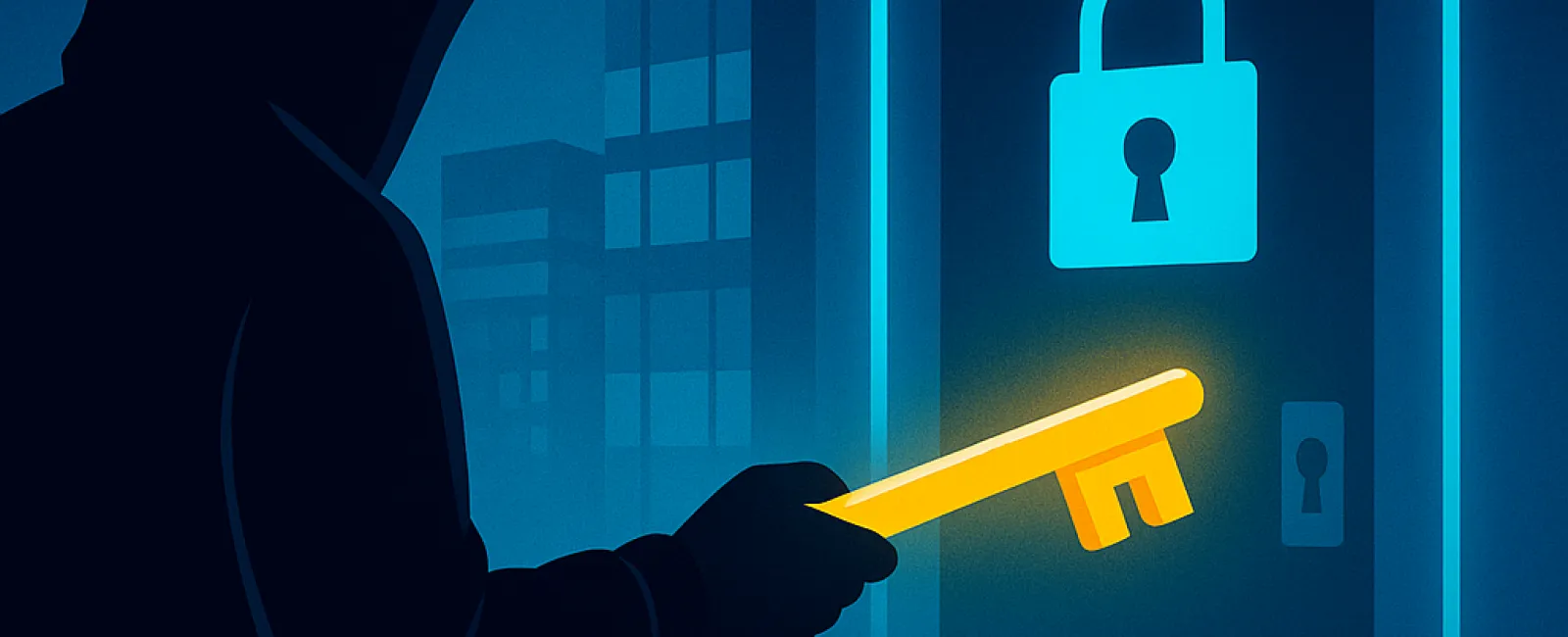
If you think cybercriminals are only targeting big corporations with
high-tech break-ins, think again. These days, most hackers aren't smashing
through firewalls—they're walking through the front door with your login
credentials.
It's called an identity-based attack, and it's now the #1 way bad
actors get into business systems. They don't need to "hack" you in the
traditional sense. They just need a username and password—and sadly, it's
easier to get than you'd think.
Here's What We're Seeing
In 2024, over two-thirds of serious cybersecurity breaches
happened because of stolen logins, not complex code or malware.
Yes, even giants like MGM and Caesars fell victim to this tactic. If it
can happen to them, it can happen to your firm too.
And suppose you're running a law practice, medical office, or accounting
firm here in San Luis Obispo County. In that case, chances are you've already
felt the pressure to "do something" about cybersecurity…but where do you even
start?
Let's break it down.
How Hackers Are Getting In (It's Not
What You Think)
Cybercriminals are clever and persistent. Here's how they're sneaking
into businesses like yours:
- Fake login pages: Disguised as a trusted
platform. One wrong click, and your credentials are gone.
- SIM swapping: Hackers take over your phone
number to intercept text-message login codes.
- MFA fatigue: Your phone blows up with
approval requests until—oops—you click "Allow."
They're also going after vendors, remote workers, and even employees'
personal devices. If there's a crack in the system, they'll find it.
So, How Do You Protect Your Firm?
Good news: You don't need to be a tech expert to stay secure. A few smart
steps can make a big difference:
✅ 1. Use Strong Multi-Factor Authentication (MFA)
MFA adds a second layer of protection when logging in. But not all MFAs
are created equal. Skip the text messages—go for app-based MFA or security
keys. They're much harder to spoof.
✅ 2. Train Your Team (Because They're Your First Line of
Defense)
Your staff needs to know what a scam looks like. One phishing email can
put your whole practice at risk. We can help with simple, no-jargon training
that sticks.
✅ 3. Lock Down Access
Don't give every employee access to everything. Limit permissions so if a
hacker does sneak in, they hit a dead end.
✅ 4. Rethink Passwords Altogether
Encourage password managers or, even better, go passwordless with
fingerprint or security key logins. No passwords = nothing to steal.
The Bottom Line
Hackers are getting smarter. But your defense doesn't have to be complicated,
it just has to be proactive.
That's where we come in.
We help professional services firms in San Luis Obispo County put simple,
powerful cybersecurity in place—without disrupting day-to-day business.
So you can stop worrying about cyber threats…and get back to serving your clients.
Curious how secure your firm really is ? Let's talk. Click here or give us a call at (805) 295-8883 to book your 10-Minute Discovery Call.